I just saw an AI video somebody had “made” of Pink Floyd performing live in 1966, complete with expected, goofy-looking bandmember clones that look so little like the actual people, I don’t know where to play down the possibility of an AI takeover, or fear the possibility of an AI takeover knowing that there are people out there enjoying that kind of amateurish trite.
Regardless, the world is sad and “creative” AI is terrible. Even ignoring the environmental impact, if this is ever accepted as creativity, or accepted as a replacement for creativity, contemporary art is fucked.
It’s good of Protomartyr to rally against AI on Hotel Usona, though the band does it out of similar frustration rather than duty. Artificial intelligence is simply one of the, well, guests that stays in the titular hotel. Hotel Usona is a concept album on which modern day American grievances are broken up and portrayed as guests in a cursed hotel.
AI couldn’t come up with that. AI isn’t emotionally gruelling like Hotel Usona; it can’t form beautifully extensive guitar work like Greg Ahee does over the flickery light effect of Converts, which sounds as though it’s being played like a violin or fiddle.
The most it could do is steal those tones and effects and rehome them to some lazy sod who can’t play guitar or produce.
There is no replicating the album’s Middle Eastern influence, often supplied by Jon Fridmann’s – son of producer Dave Fridmann – horns, which elect spiritual jazz on Checking Out as they coincide with xylophones, and elicit high-pitched jungle screeches on the intro of Sounds We Cannon Hear. Luckily this horn is a sound we can hear. Ha.
Atmospheric, reverb-soaked keys play a three-chord loop over the early stages of Lavender – Gospel, supplying the song its own neat touch. They play a sweeter, reflective alteration later on.
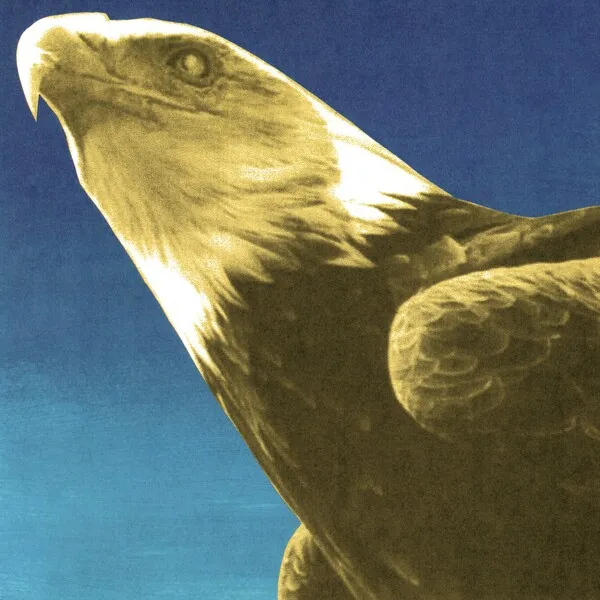
It is easy to find some comfort in Hotel Usona. If you’re frustrated with AI, well, the lads from Protomartyr are too – Feed the Sewer likens it to… okay you can figure that out. But the album’s post-punk solidarity stretches to the delusion of so-called patriots (Exalted Eagles confirms that hailing a white god and male supremacy are now policy), violence dwelling in the acidic innards of American traditions and biblicism (The Knife Dream, which contains an idiophone riff that sounds a bit like N.E.R.D’s Lapdance), and ICE deportations that please the unharmed as they sip their coffee and say ‘this is a good thing’ (Third Country, which has an eerie, yet sweet, old jazz quality to it, Bernard Hermann-golden age of Hollywood-esque).
Despite its grievances, the album, with itself, feels strangely at-peace. Hotel Usona is a patient album despite the horrors it observes. It is rarely noisy or showy, and when it is, it chooses the right time to strike, such as The Old Hotel’s chorus, on which each martyr pops his pimple and lets his heart bleed; Joe Casey with mourning, Scott Davidson with a strike of a tom for each tear. The album is resourceful and careful, which offers as much power as noisy excess, if not more.
The album contains challenges amid unknown structures and moods, though none are risky within the post-punk/art-punk/Protomartyr realms. But that’s fine; the band’s seventh is the perfect culmination of Protomartyr’s gruelling, yet thoughtful, musical temperament. These are increasingly crucial times, and this is Protomartyr’s most crucial album to date.
Best tracks – Sounds We Cannot Hear – Converts – Third Country.
Rating – 8 out of 10
